Forecasting
Jyväskylä's
Climate with AI

By analyzing rainfall, snow, humidity, and temperature data from Marjetas sensors, our team identifies hidden patterns in local climate behavior. Using advanced ML models, including deep learning and classic algorithms, we create forecasts, detect anomalies, and visualize the results.

View Our Top Models
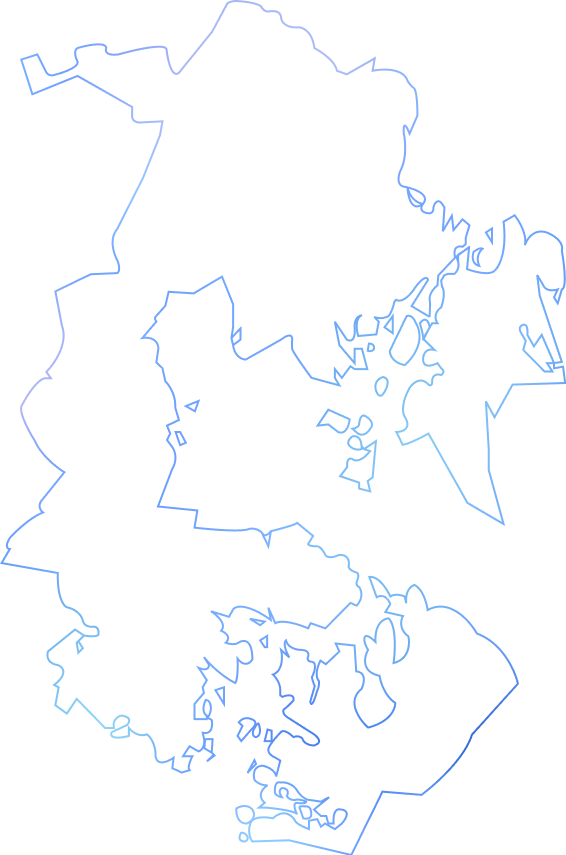
Map of Jyväskylä Sensor location markers
📍
Saaritie
📍
Tuulimyllyntie
📍
Kaakkovuorentie
📍
Kotaniementie
Decorative SVG Banner

Our Top Performing Models

We evaluated multiple machine learning approaches to predict rainfall events. Below are our top 3 models and their predictions for four key areas in Jyväskylä.

Insights

Our sensor network reveals clear spatial and temporal weather patterns across Jyväskylä. Temperature and rainfall vary significantly between locations, and long-term data shows strong seasonal cycles and humidity-rainfall interactions.

Mean Temperature (°C)

Local temperatures vary across the region, with some stations showing consistently warmer or cooler conditions. These differences reflect local micro-climates shaped by terrain, vegetation, and urban surroundings.

Rainfall, Humidity and Temperature Over Time

The long-term time series highlights strong seasonal temperature cycles, humidity spikes before rainfall events, and short, sharp rainfall peaks. Together, they illustrate how different atmospheric variables interact during weather events.

Mean Rainfall Intensity (mm/h)

Rainfall intensity is not evenly distributed. Certain areas experience more frequent or more intense rainfall events, revealing meaningful spatial rainfall patterns across Jyväskylä.

Project Goal & Approach

Our Team

Alla served as the project manager, overseeing the team’s workflow and ensuring smooth coordination. She handled all project documentation, designed and built the entire exhibition website, and produced the exhibition video. In addition, she contributed to dataset preparation and full-stack machine learning development. Alla also compiled and delivered the presentation based on input gathered from team members.

Alla Heinonen

Project Manager &
Full-Stack ML Contributor

Saad led the development and testing of ML models for local rainfall prediction, testing around 10 classical and deep learning approaches, including LSTM, Prophet, XGBoost and ensemble models. He handled dataset preparation, feature engineering, model fine-tuning, and pipeline setup, and contributed to the final presentation.

Saad Tariq

Machine Learning Specialist

Rahat explored the sensor data, performed feature engineering, conducted exploratory data analysis (EDA), and created interactive HTML maps, including mean temperature and rainfall heat maps, as well as weather-over-time maps.

Rahat Sajjad Mahmud

Data Exploration & Analysis
